
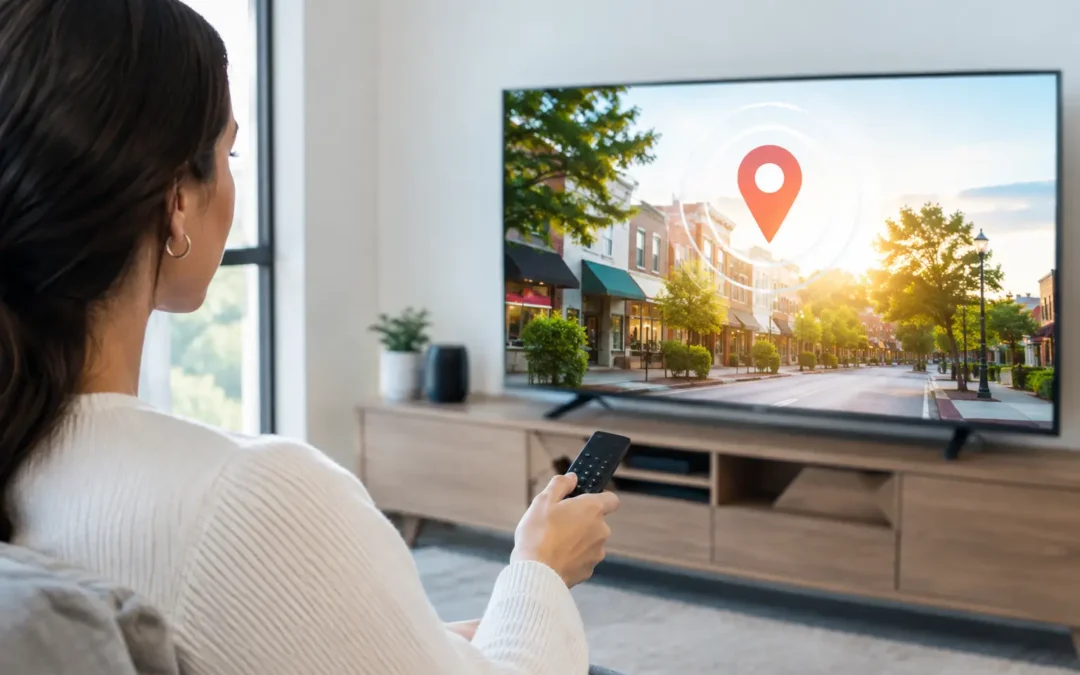
A homeowner settles in to watch a favorite show after dinner. A parent streams a movie on a Saturday morning. A local business has a chance to appear on that screen with a message built for the people most likely to need its service. That is the appeal of streaming television advertising, but knowing how to plan streaming ads takes more than choosing a platform and uploading a commercial.
For a small business, the goal is not simply to get views. It is to put a clear, credible message in front of the right households, in the right service area, often enough to be remembered, without wasting the budget. A thoughtful plan turns streaming TV into a practical part of your local marketing mix.
Start With One Business Goal
Streaming ads can support several goals, but trying to accomplish all of them in one campaign usually weakens the message. Begin with the business result you need most over the next few months.
A newer business may need local recognition. A home services company may want more estimate requests before a seasonal rush. A medical practice might need to build awareness for a new location or service. A retailer could be promoting a limited-time event. Each objective affects the audience, offer, creative, and way you measure performance.
Be specific. “Get more customers” is a reasonable ambition, but it is not a campaign plan. “Generate more calls for HVAC maintenance in Virginia Beach before summer” gives the campaign a clear direction. It also helps your team decide what the ad should ask viewers to do.
Streaming TV is especially useful for awareness and consideration. It can introduce your business, explain what makes you different, and keep your name familiar before a customer is ready to call. If immediate leads are the priority, pair the campaign with a strong website landing page, search advertising, or a dedicated call-tracking number so interested viewers have an easy next step.
Define the Audience Before You Buy Inventory
The biggest advantage of streaming advertising is that you do not have to buy a broad television audience and hope the right people are watching. You can focus your budget using geography, household characteristics, viewing behavior, and audience interests.
For local businesses, geography comes first. Define the cities, ZIP codes, or radius that your team can realistically serve. A contractor that works within 25 miles should not pay to reach viewers two counties away. A regional business with several locations may need separate messages or offers for each market.
Then consider who is most likely to become a customer. That may include homeowners, parents with young children, adults interested in fitness, business decision-makers, or households with certain income ranges. Keep the audience focused enough to be relevant, but not so narrow that delivery becomes limited or costly.
There is a trade-off here. A tighter audience can make a message more useful, but a very small audience may not receive enough impressions to build recognition. If your service area is limited, broaden the targeting slightly by using related interests or neighboring ZIP codes rather than piling on too many restrictions.
Build Around Customer Reality
Think beyond basic demographics. What problem is the viewer trying to solve? A local plumber may want to reach homeowners who value fast response and clear pricing. A senior living community may need to reassure adult children making a difficult family decision. A restaurant may be competing for an easy Friday-night choice.
When you understand the customer situation, your ad becomes more human and more effective. You are no longer saying, “We offer great service.” You are saying, “When the water heater fails, our local team is ready to help.” That difference matters on a screen where viewers make quick judgments.
Choose a Budget That Can Build Frequency
Small-business owners often ask what a streaming ad campaign should cost. The honest answer is that it depends on the size of your market, audience definitions, campaign length, video production needs, and selected streaming inventory. The more useful question is whether the budget can provide meaningful, repeated exposure.
One ad seen once rarely changes behavior. Streaming campaigns work best when people see your business enough times to recognize the name, remember the offer, and act when a need arises. A short campaign with too little reach can create activity without creating impact.
For that reason, it is often better to run a focused campaign in your highest-value service area than to spread a limited budget across an entire state. Start with the customers who are easiest to serve and most likely to bring repeat or high-value business. As results and budget grow, expand from there.
Budget for the full program, not just media placement. A professional video, campaign setup, audience strategy, reporting, landing page improvements, and ongoing adjustments all contribute to results. Reusing an existing video can reduce initial costs, but only if the message, branding, and quality still represent your business well.
Create an Ad That Earns Attention
Streaming viewers are watching on large screens in a relaxed setting. Your commercial needs to look and sound credible beside the programming around it. That does not mean it needs a national brand’s production budget. It does mean the ad needs a clear message, clean visuals, understandable audio, and a confident call to action.
A 15- or 30-second spot is often enough when it stays focused. Lead with the customer problem, a recognizable local detail, or the core benefit. Introduce your business early. Show the service, product, team, or outcome instead of relying only on text slides. End with one simple next step, such as visiting your website, calling, requesting an estimate, or mentioning a special offer.
Avoid trying to include every service you provide. A law firm may handle several practice areas, but an ad about one urgent need can be more memorable than a rapid list of everything on the website. The same is true for a salon, restaurant, dentist, retailer, or home services company.
Local relevance is a strength. Mentioning the communities you serve, showing familiar locations, or featuring real team members can make your business feel closer and more trustworthy. Just make sure the message is still easy to understand for someone seeing it for the first time.
Plan Streaming Ads With Connected Channels
A viewer who sees your commercial may not stop watching and immediately contact you. More often, they search your business later, visit your website from another device, read reviews, or notice your social media posts. Your other marketing should support that path.
Before the campaign starts, check that your website works well on mobile devices, loads quickly, and makes it easy to call or submit a request. Make sure your Google Business Profile, social channels, and contact information are current. If the ad promotes a seasonal offer, confirm that the offer is visible wherever a customer may look next.
Search advertising can be particularly helpful because it captures people who become interested after seeing your streaming ad and begin looking for your service. Social media can reinforce the same visuals and message. This connected approach gives customers more than one opportunity to choose you.
Measure More Than Video Impressions
Impressions and completed views show that ads were delivered, but they are only part of the story. Review results against the original goal. For awareness, look at reach, frequency, website traffic trends, branded searches, and local engagement. For lead generation, monitor calls, form submissions, appointment requests, and the quality of those inquiries.
Ask new customers how they heard about you. This simple question remains valuable, especially for local businesses with longer buying cycles. A customer may say they found you through Google, while the streaming ad was what made your name familiar enough to click.
Give the campaign enough time to collect useful data. Do not make major changes after only a few days unless there is a clear problem with delivery or the ad itself. After an initial learning period, adjust one or two variables at a time. You might refine the service area, test a new offer, change the call to action, or shift spending toward the audience segment producing stronger engagement.
Common Planning Mistakes to Avoid
The most common mistake is treating streaming television like traditional TV with a digital label. Buying broad reach without a defined customer, a strong offer, or a way to measure response can make any campaign hard to evaluate.
Another mistake is sending viewers to a generic homepage that does not match the commercial. If an ad promotes emergency repair, the visitor should immediately see emergency repair information and an easy way to contact your team. Finally, do not let production concerns delay planning. A clear, well-produced ad with a useful message will usually do more for a local business than a flashy concept with no customer benefit.
Streaming advertising gives local businesses a chance to show up in a premium environment while keeping audience targeting and spending under control. The right campaign starts with a clear business need, respects your customers’ time, and gives them a simple reason to take the next step. If your marketing plate is already full, a dependable partner can help turn that plan into advertising that feels local, looks professional, and works harder for your budget.
Recent Comments