A customer searching for an emergency plumber, a lunch spot, a family dentist, or a dependable contractor rarely wants a marketing experience. They want an answer fast. That is why search marketing trends 2026 matter for small businesses: search results are becoming more direct, more visual, and more focused on proving which local business can help right now.
For a busy owner, the goal is not to chase every new feature Google or another platform releases. The goal is to make sure your business is easy to find, easy to trust, and easy to contact when a nearby customer is ready to act. Here are the shifts worth planning for.
1. Search Results Will Answer More Questions Before the Click
Search engines are getting better at presenting quick answers, maps, product details, reviews, and AI-generated summaries directly on the results page. For simple questions, a customer may get enough information without visiting several websites.
That can sound discouraging, but it changes the job of your website rather than eliminating it. Your site still needs to be the trusted source behind the information search platforms display. Clear service pages, accurate business details, useful FAQs, strong reviews, and local proof all make it easier for search engines to understand your company.
For local businesses, the best response is specificity. A generic page that says you provide “quality service” gives search engines very little to work with. A page that explains your service area, the problems you solve, the types of customers you serve, and what happens next is far more useful. If you serve Hampton Roads or multiple nearby communities, create helpful content that reflects those real markets without copying the same paragraph across every city page.
2. Local Search Visibility Will Depend on Trust Signals
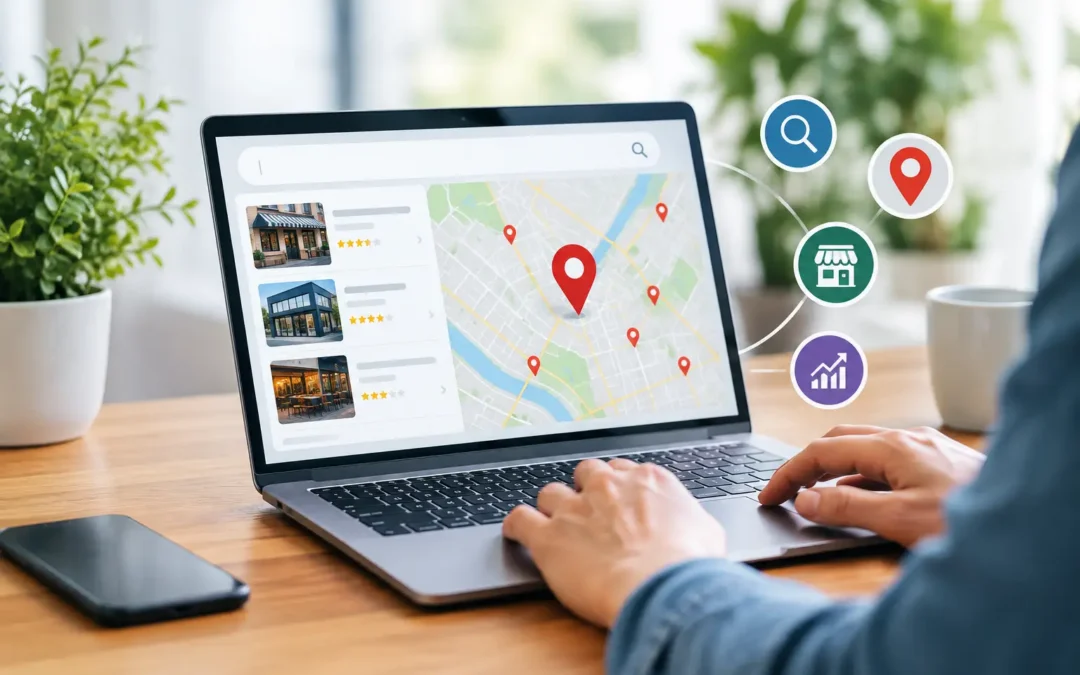
When people search with phrases like “near me” or include a city name, search platforms must decide which businesses look legitimate, relevant, and convenient. Your location, hours, categories, photos, reviews, website information, and consistency across online listings all influence that decision.
In 2026, local visibility will be less about finding a trick and more about maintaining a complete, active business presence. An outdated holiday schedule, an unanswered review, or an old phone number can cost a call at exactly the wrong time.
Focus on the details customers notice before they ever reach your website. Keep your business profile current. Add recent photos that show your team, location, products, or finished work. Ask satisfied customers for honest reviews as part of your normal follow-up process. Respond professionally to both positive and negative feedback. A thoughtful response to a complaint will not erase the issue, but it shows future customers that someone is paying attention.
3. Paid Search Will Need Better Measurement, Not Just More Budget
Google Ads remains one of the fastest ways to reach people actively looking for a product or service. But broad targeting and automated campaign settings can spend money quickly if they are not monitored against real business outcomes.
The key question is no longer simply, “How many clicks did we get?” A better question is, “Did those clicks produce qualified calls, booked appointments, form leads, store visits, or sales?”
Search platforms are using more automation to select keywords, adjust bids, and create ad combinations. This can improve efficiency when the campaign has reliable conversion data and clear goals. It can also create waste when the system is left to learn from weak signals, such as page views or low-quality form submissions.
Small businesses should track actions that have value: phone calls of meaningful duration, appointment requests, estimate forms, online purchases, and confirmed leads. Then compare marketing results with what happens after the lead reaches your team. If many inquiries never become customers, the issue may be the audience, the offer, the response time, or the sales process. Advertising reports alone cannot answer all of that.
4. Visual Search and Video Will Support Search Decisions
Customers increasingly use images and short videos to evaluate businesses before making contact. A homeowner may want to see recent remodeling work. A restaurant customer may check food photos and a quick video of the atmosphere. A parent comparing activity programs may look for proof that the experience feels safe, welcoming, and well organized.
Video will not replace written search content. Search engines still need clear text to understand services, locations, and customer questions. But video can give people the confidence to choose you after they find you.
The strongest approach is practical: pair well-written service pages with original photos and short videos that answer common questions. Show your process, introduce the people customers will meet, demonstrate a product, or explain what to expect during a first visit. Keep the message useful, not overly polished. Local customers often respond better to credible proof than a commercial that feels disconnected from the business.
5. Brand Searches Will Become More Valuable
Not every customer converts on the first search. They may first see a streaming TV ad, hear a digital radio message, watch a social video, or receive a recommendation from a neighbor. Later, they search for your company by name.
That is one reason search should not be treated as an isolated channel. Strong brand awareness makes search advertising work harder because customers are more likely to recognize your name, click with confidence, and choose you over an unfamiliar competitor.
Make sure that a branded search leads to an accurate, professional experience. Your website should load quickly on a phone, explain what you offer clearly, and make it simple to call, request information, or visit your location. If a customer searches your business after seeing an ad and finds conflicting hours, a broken website, or no recent activity, the earlier marketing investment loses momentum.
6. Helpful Content Will Outperform Empty Keyword Pages
The search marketing trends 2026 reward useful information over pages created only to repeat a keyword. Search engines are working to identify content that demonstrates real experience and addresses the searcher’s actual need.
For a small business, helpful content does not require publishing every day. It means answering the questions your customers already ask. A roofing company might explain what to do after storm damage. A med spa might clarify how to prepare for a consultation. A financial professional might explain which documents a new client should bring to an appointment.
Use plain language and be honest about where the answer depends on the customer’s situation. That honesty builds trust. It also attracts more qualified leads because people can better understand whether your service is the right fit before they contact you.
7. Fast Follow-Up Will Affect Search ROI More Than Ever
Search leads are often time-sensitive. A customer who submits a form to three providers may hire the first qualified business that responds. No campaign setup can overcome a slow or inconsistent follow-up process.
Before increasing your search budget, make sure your team can handle the leads you already receive. Test your contact forms on mobile devices, confirm that calls reach the right person, and set a realistic standard for response time. If staff availability is limited, focus campaigns on the services, hours, and locations you can support well.
A practical 2026 search plan should connect four parts of the customer journey:
- A clear local presence that helps customers find and trust your business.
- A website built to answer questions and turn interest into action.
- Paid search campaigns measured by leads and sales quality, not clicks alone.
- A follow-up process that gives ready-to-buy customers a timely response.
Not every business needs the same mix. A new local brand may need awareness advertising alongside search to build recognition. An established company with a strong referral base may see better returns from improving its website, reviews, and conversion tracking first. The right plan depends on your market, margins, capacity, and business goals.
The most useful next step is simple: search for your own business the way a new customer would. If the result does not quickly show who you are, where you serve, why people trust you, and how to reach you, that is where your search marketing work should begin.
Recent Comments